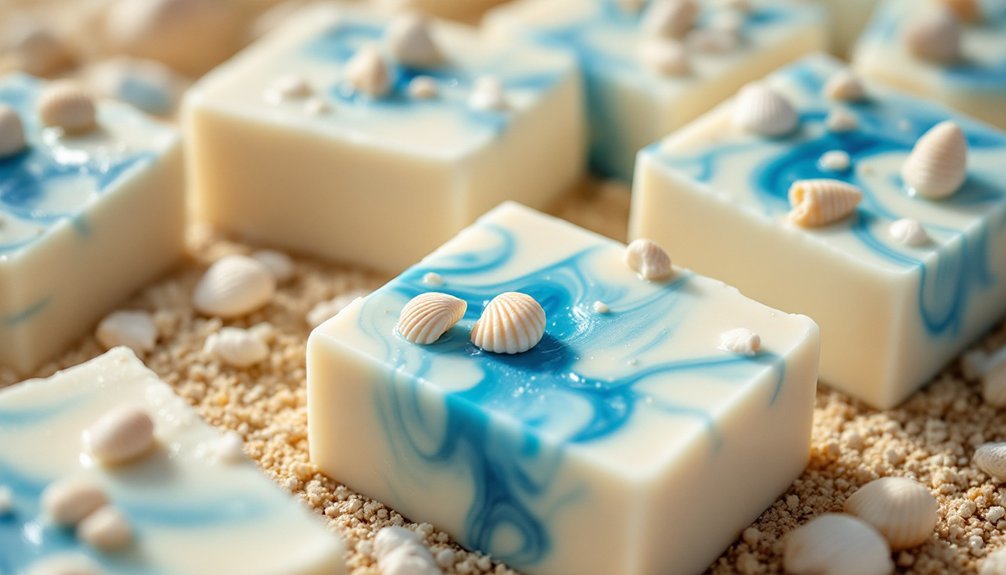
Creating soap with beach shell exfoliants combines aesthetics with function, but real shells can damage skin and clog drains. Instead, use sustainable alternatives like coconut shell powder, walnut shells, or poppy seeds at 1 teaspoon per pound of soap. For melt-and-pour methods, incorporate shell molds for visual appeal while maintaining gentle exfoliation. You'll achieve that beach-inspired look without compromising your skin's health or your plumbing's integrity.
The Science Behind Exfoliating Properties of Beach Shells
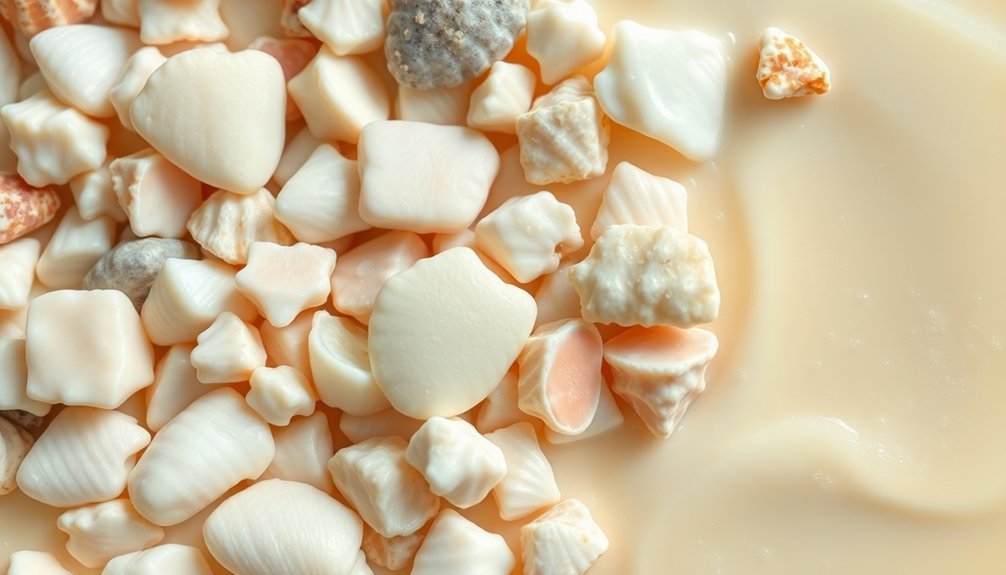
Shells from the seashore offer more than just beachside memories—they're powerful natural exfoliants for homemade soap. Their unique composition of calcium carbonate creates a durable material that maintains structure throughout your soap's life, providing consistent exfoliation with each use.
What makes beach shells particularly effective is their varied textures. Different shell types offer exfoliation ranging from gentle to vigorous, allowing you to customize your soap's scrubbing power. The diverse shell morphology includes structural features that naturally enhance scrubbing effectiveness without causing micro-tears in the skin.
Unlike synthetic alternatives, these natural exfoliants are fully biodegradable, making them environmentally responsible choices for your skincare routine.
The biomineralization process that creates shells results in materials perfectly suited for removing dead skin cells. When you incorporate shells into soap, you're harnessing millions of years of natural engineering to craft a product that's both visually appealing and functionally superior.
Selecting Sustainable Shell Materials for Soap Making
While the ocean's bounty offers beautiful materials for soap crafting, choosing sustainable shell alternatives is critical for protecting marine ecosystems.
You'll find numerous eco-friendly options that provide the same aesthetic appeal without environmental harm.
Consider using pre-made soap shell embeds, which dissolve at the same rate as your soap base while eliminating adhesion issues common with real shells.
For exfoliating properties, coconut shell powder, walnut shells, and poppy seeds offer excellent alternatives that gently remove dead skin. This exfoliant mixture creates a sensory experience that mimics beach sand while being environmentally responsible.
When sourcing materials, look for vegan and palm-free options from certified sustainable suppliers.
Local artisans often provide responsibly sourced materials that support community-driven practices.
Essential Tools and Ingredients for Beach Shell Soap
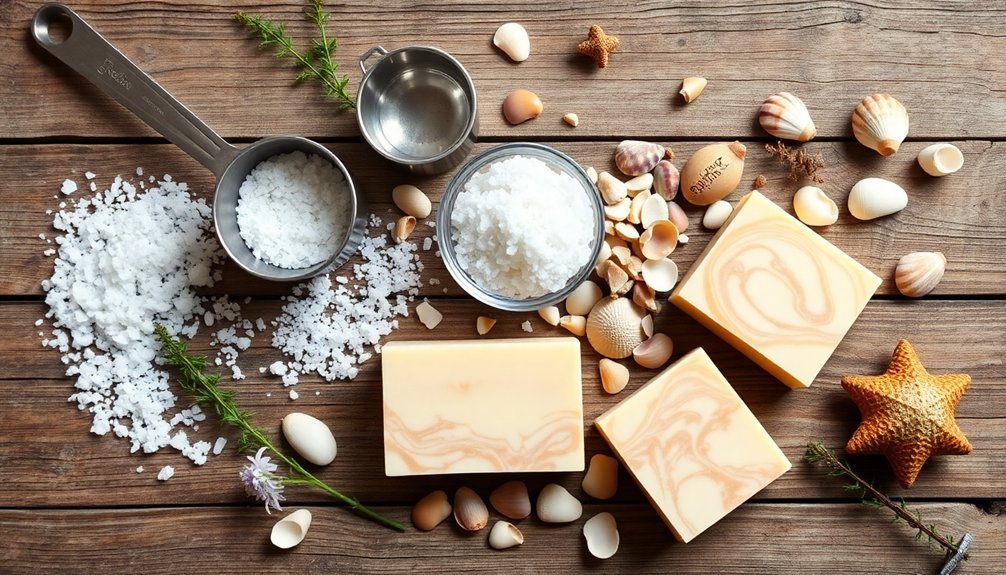
Creating beautiful beach shell soap requires a specific set of tools and ingredients to achieve that perfect seaside aesthetic.
You'll need a quality soap base—either clear or white melt-and-pour options work well. For authentic beach scents, consider coconut or litsea cubeba oils. To mimic sand, incorporate exfoliants like coffee grounds, oatmeal, or cornmeal.
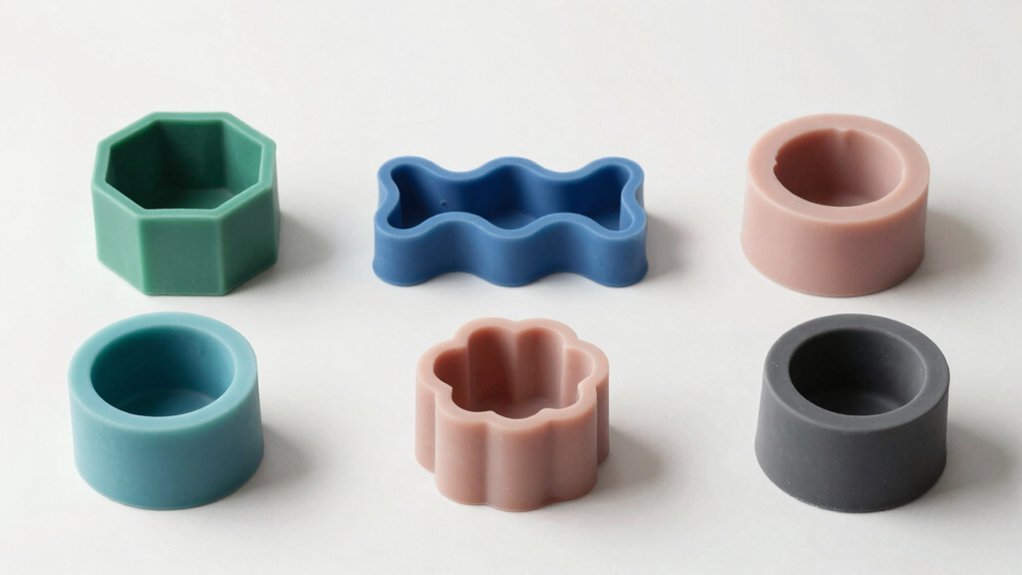
Essential tools include seashell silicone molds, a digital scale for precise measurements, and mixing utensils for blending. Don't forget a heating method—microwave or double boiler—and rubbing alcohol in a spray bottle to eliminate bubbles.
For coloring, mica powders in teal blue and tan create stunning ocean and sand effects, while titanium dioxide adds crisp white accents. While you might consider using real seashells, they're not recommended as they can trap air bubbles and leave holes in your soap as it's used. Protective gear like nitrile gloves is vital for safety during the process.
Step-By-Step Melt and Pour Method With Shell Integration
When you're ready to craft your beach shell soap, the melt and pour method offers an accessible way to achieve professional results without the complexity of traditional soap making.
Begin by creating your shell embeds using white soap base colored with mica in seashell molds. Once hardened, prepare your base layer by melting clear soap and adding a sand-like texture with calendula or poppy seeds.
Pour this into your mold and let it form a skin. Next, arrange your soap shells on the base layer and spritz with rubbing alcohol for better adhesion. This method is safe for children to participate in, making it a great family activity with adult supervision.
For the water effect, melt clear soap again, add blue mica, and carefully pour over your shells. Allow each layer to cool slightly between pours to create distinct ocean-like layers.
Cold Process Techniques for Natural Exfoliant Soaps
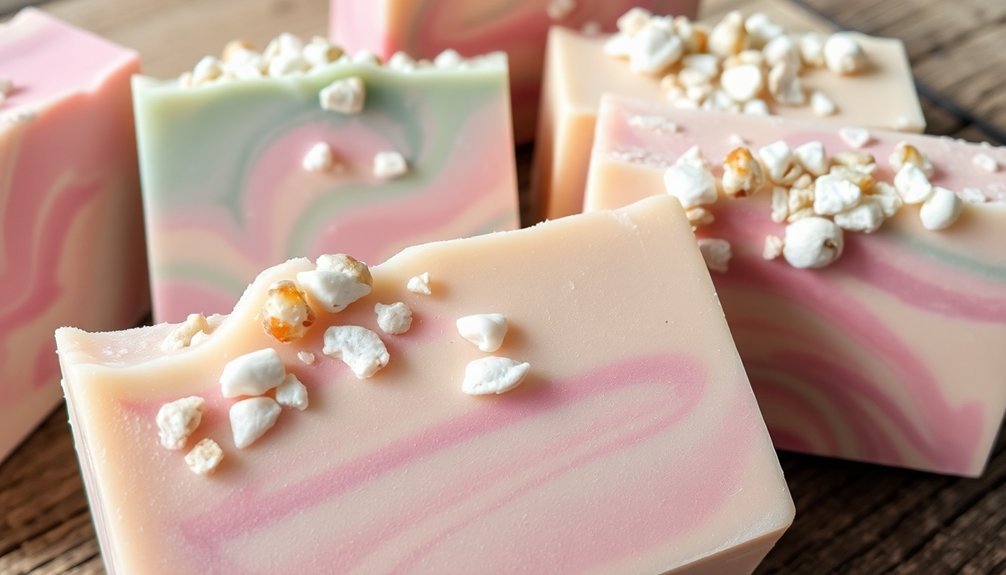
Working with cold process soap requires strict safety measures when handling lye, including wearing protective gear and using a well-ventilated workspace.
You'll need to select a balanced combination of oils and butters—coconut provides lather, olive oil adds conditioning properties, and shea butter contributes hardness to your finished soap.
Before beginning your exfoliant soap journey, gather all ingredients on a digital scale and prepare your workspace to guarantee a smooth, safe soapmaking process. When mixing ingredients, be sure to pour the lye solution through a fine sieve into your oils to prevent undissolved lye crystals from affecting your final product.
Safety With Lye
Because sodium hydroxide lye poses serious hazards, you'll need to prioritize safety throughout the cold process soap-making journey.
Always wear full protective gear—gloves, goggles, long sleeves, pants, and closed-toe shoes—to shield your skin from potential burns.
Mix lye in a well-ventilated area, preferably outdoors, to avoid inhaling harmful fumes. The chemical reaction produces caustic fumes that can damage your respiratory system if inhaled directly. Remember the critical rule: add lye to water, never water to lye, to prevent dangerous eruptions.
Use only glass, stainless steel, or heat-resistant plastic containers for mixing—aluminum and tin will react with lye.
Keep children and pets away during the process, and verify you've labeled all containers clearly.
If accidental skin contact occurs, rinse immediately with cool water (not vinegar).
Have a safety plan ready and review procedures regularly to maintain a safe soap-making environment.
Oils And Butter Selection
Selecting the right oils and butters forms the foundation of successful natural exfoliant soap making. Your base oils determine hardness, lather quality, and moisturizing properties.
Olive oil creates mild, creamy bars perfect for sensitive skin, while coconut oil (up to 30%) adds hardness and luxurious lather. Consider incorporating shea or cocoa butter for enhanced moisturization and firmness. Coconut oil with its 76° melt point provides excellent structure for soaps containing beach shell exfoliants.
- Combine avocado oil (up to 20%) with shea butter for superior moisturizing properties
- Add 2-5% castor oil to boost lather without creating sticky texture
- Balance sunflower oil with cocoa butter for gentle cleansing and proper hardness
- Use mango butter with coconut oil for a hydrating bar with excellent lather
- Mix olive oil (40-60%) with avocado butter (up to 12%) for a creamy, stable base
Achieving Ocean-Inspired Colors and Textures
To capture the essence of the ocean in your handmade soap, you'll need to master both color and texture techniques that evoke seaside imagery. Combine different mica pigments to create gradient effects resembling waves and sandy shores.
Layer soap bases in varying blue hues for depth, while incorporating earthy tones with natural clays.
The artful layering of varied blue soap bases creates oceanic depth, complemented perfectly by the grounding influence of natural clay tones.
For authentic beach textures, add finely ground seashell powder for gentle exfoliation or coarser elements like coffee grounds for more intense scrubbing. Marine clay not only enhances texture but also provides skin-nourishing benefits. The addition of oyster shell powder creates a natural fine polishing effect that gently removes dead skin cells while maintaining the oceanic theme.
Consider embedding seashell-shaped soap pieces or creating wave patterns to strengthen the oceanic theme.
Complete your sensory experience with beach-inspired fragrances like sea salt or coconut, transforming your soap into a visual and tactile storytelling medium that transports users directly to the shoreline.
Blending Essential Oils for Coastal Fragrances
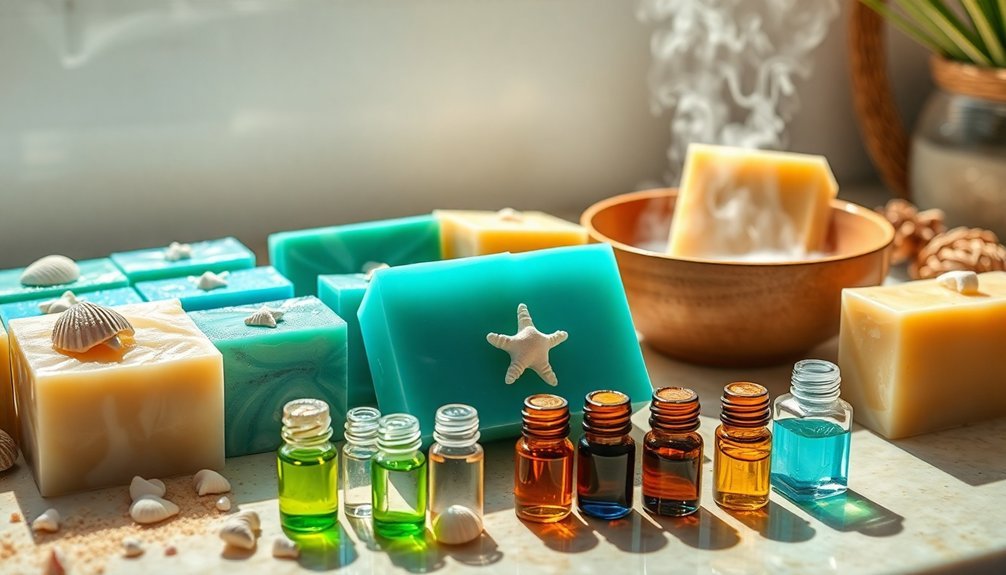
The perfect coastal fragrance begins with a carefully orchestrated symphony of essential oils that capture the essence of shoreline experiences.
You'll want to blend oils at proper ratios, typically maintaining a 3% concentration with carrier oils for skin-safe applications.
Consider your desired coastal theme—tropical beaches call for coconut and sweet citrus oils, while oceanic freshness demands marine notes and green aromas.
- Citrus foundations like lemon, lime, and grapefruit provide bright, uplifting top notes characteristic of beach environments
- Litsea cubeba offers energizing properties perfect for seashell soap formulations
- Middle notes such as mint and peony add depth and floral complexity
- Sandalwood and cedarwood create warm, grounding base notes that balance the composition
- Consider adding hydrosols for enhanced scent diffusion and moisturizing benefits
For an authentic beach atmosphere in your soaps, Edens Garden's Beach House blend combines Hawaiian Sandalwood and coconut with refreshing citrus notes that perfectly evoke salty ocean air.
Safety Considerations When Working With Natural Exfoliants
While creating enchanting coastal fragrances enhances the sensory experience of your soap, working safely with natural exfoliants requires equal attention for successful soap crafting.
Always wear rubber gloves, goggles, and protective clothing when handling ingredients, especially lye. Verify your workspace is well-ventilated and free from distractions like children and pets.
When incorporating beach shells or other natural exfoliants, conduct patch tests to check for skin reactions. Remember that different exfoliants affect soap consistency and appearance differently. Beach shells provide visual appeal and texture similar to other natural exfoliants like pumice or oatmeal.
Only use equipment dedicated to soap making, and never use aluminum utensils with lye. Keep vinegar nearby for neutralizing spills, but rinse with water first if lye contacts skin.
Source your exfoliants from reputable suppliers and understand local regulations regarding soap ingredients and labeling requirements.
Alternative Natural Exfoliants for Sensitive Skin
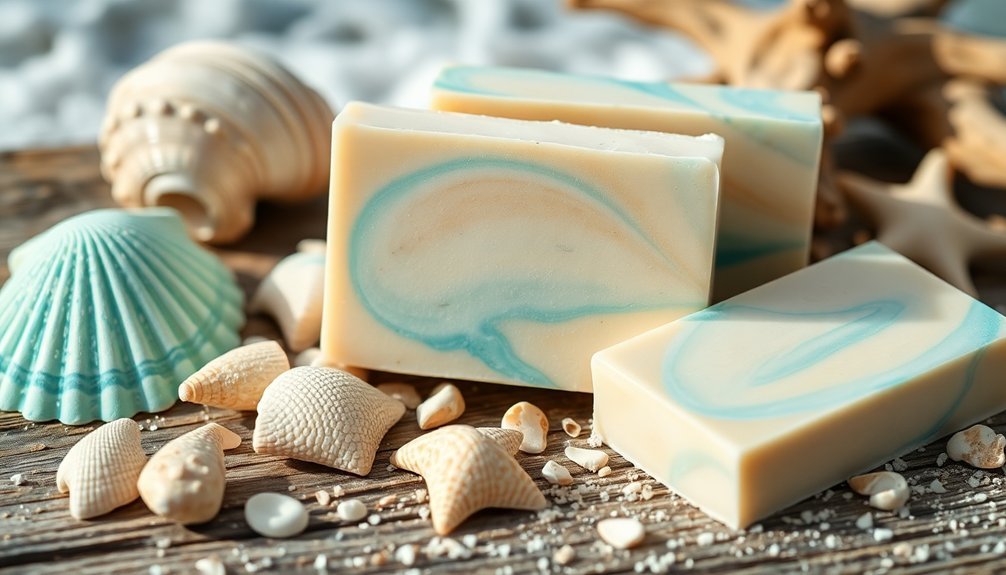
Many soap makers with sensitive skin need gentler alternatives to traditional exfoliants like beach shells and salt. For those with delicate skin, ingredients like finely ground oats and sugar provide effective yet mild exfoliation without causing irritation.
- Oatmeal offers customizable exfoliation based on grind size and soothes sensitive skin.
- Sugar gently smooths skin texture and dissolves gradually in soap, preventing micro-tears.
- Jojoba beads work exceptionally well in melt and pour soaps for gentle buffing.
- Poppy seeds provide slight texture for minimal exfoliation needs.
- Lactic acid from yogurt or buttermilk powders gives chemical exfoliation without physical scrubbing.
Remember to limit exfoliation to once weekly for sensitive skin types. Raw honey can be incorporated as a moisturizing ingredient that simultaneously provides gentle exfoliation while hydrating the skin.
These alternatives not only protect your skin but are also cost-effective and environmentally friendly compared to synthetic options.
Decorative Presentation and Packaging Ideas
To create gift-worthy packaging for your natural beach soaps, wrap them in kraft paper with twine or place them in recycled boxes decorated with seashells and custom labels.
You'll impress recipients with thoughtful presentation while maintaining eco-friendly practices through biodegradable materials like natural fiber organza bags or compostable cellophane.
For eye-catching beach displays, consider stacking your soaps in clear containers that showcase their colors and textures, or arrange them in reusable metal tins with beach-themed decorative elements. Adding personalized paper bands made from tree-free materials offers a simple yet elegant finishing touch that enhances your unique beach soap creations.
Gift-Worthy Packaging Designs
Beautiful packaging transforms your handmade soap from a simple bathroom necessity into a thoughtful, memorable gift.
Consider using chocolate box-style packaging for multiple soaps or colorful gift boxes with custom designs that complement your beach shell theme. Kraft paper offers an eco-friendly option that you can personalize with stamps or decorative paper designs. For a hygienic and professional appearance, you might also use shrink packs that showcase your products while keeping them protected.
- Add organza drawstring bags in ocean blues or sandy neutrals to enhance your beach theme
- Wrap soaps in biodegradable paper bands printed with your logo and shell illustrations
- Use cotton or hemp bags tied with jute twine for a natural, rustic presentation
- Create pillow boxes from recycled materials for an elegant gifting experience
- Finish with thoughtful touches like twine, dried flowers, or a small shell attachment
Beachy Display Options
Showcasing your beach-themed soaps requires display options that transport customers right to the shoreline and enhance your products' coastal charm.
Arrange your soaps in vintage glass containers filled with sand and small shells for an authentic beach vibe. Crystal goblets and glass domes create elegant presentations that highlight your specialty soaps.
For a more rustic approach, wooden containers or stoneware bowls filled with your shell-embedded soaps make perfect centerpieces. Add floating candles or sea glass for dimension.
Don't forget to label each display with beach names and collection dates to create a personal connection.
Layer different elements like sand, shells, and your soaps in clear jars to showcase the textures.
Make sure your displays are well-lit to catch the natural shimmer of shell particles embedded in your artisanal creations.
Consider creating a decorative soap dish using seashells for a practical display element that customers can use at home.
Troubleshooting Common Issues in Shell Exfoliant Soaps
When crafting shell exfoliant soaps, you'll likely encounter several challenges that can affect your final product's quality. The most common issues involve lathering problems, drain clogging concerns, and keeping exfoliants properly suspended.
Start with small amounts—just 1 teaspoon of exfoliant per pound of soap—to maintain good lather and prevent plumbing issues. For more intense exfoliation, consider using pumice sand which works excellently for body scrubs.
Less is more! Start with just 1 teaspoon of exfoliant per pound to preserve lather and protect your plumbing.
- Maintain your soap at 125-135°F when adding exfoliants to guarantee even suspension
- If lather is suffering, check your exfoliant-to-soap ratio and consider reducing the amount
- Use finer grinds of walnut shells or loofahs to minimize drain clogging risks
- Test a small batch when introducing new exfoliants to verify performance
- For uneven exfoliant distribution, try mixing thoroughly at a slightly cooler temperature
Frequently Asked Questions
How Long Do Beach Shell Exfoliant Soaps Typically Last?
Your beach shell exfoliant soaps typically last 4-6 weeks with proper storage. You'll extend their life by keeping them dry between uses and storing them away from humidity and direct sunlight.
Can I Sell Homemade Beach Shell Soaps Commercially?
Yes, you can sell homemade beach shell soaps commercially. You'll need proper labeling with ingredients and net contents, and you must guarantee your product is safe. No FDA approval is required for soap.
Are These Soaps Safe for Children to Use?
You'll need to exercise caution giving these soaps to children. They might cause irritation due to exfoliants or essential oils. It's best to supervise use and test for allergic reactions first.
How Do Beach Shell Soaps Perform in Hard Water?
Beach shell soaps don't perform well in hard water. You'll notice less lather and potential soap scum forming. The shell exfoliants will still work, but you'll need more soap for effective cleaning results.
Can I Incorporate Beach Sand Alongside Shell Exfoliants?
Yes, you can incorporate beach sand with shell exfoliants, but guarantee it's finely milled to avoid skin irritation. You'll want to add it during thin trace for even distribution throughout your soap.
In Summary
You've now mastered the art of making natural beach shell exfoliant soaps! Whether you've chosen the simple melt-and-pour method or ventured into cold process soapmaking, you're creating sustainable, handcrafted products. Remember to prioritize safety, source your shells responsibly, and don't be afraid to experiment with decorative elements. Your unique coastal-inspired soaps will delight both your skin and anyone lucky enough to receive them as gifts.

Leave a Reply