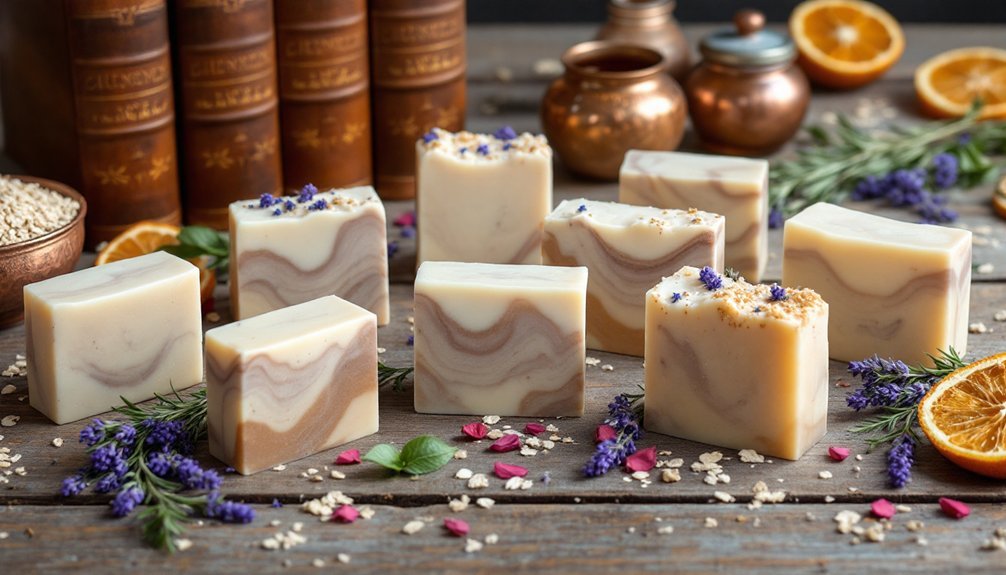
If you’re looking to make natural soap in 2026, the right book can save you time, money, and a few messy mistakes. Some guides keep things simple with beginner-friendly recipes, while others teach you the chemistry behind each bar. You’ll also find books that focus on herbs, minimal ingredients, or more advanced methods. The best choice isn’t always the most obvious one, and a few titles stand out for reasons you might not expect.
| Simple & Natural Soapmaking by The Nerdy Farm Wife |  | Best Overall | Topic: Simple soapmaking | Publication Date: August 8, 2017 | Page Count: 192 pages | CHECK ON AMAZON | Read Our Analysis |
| The Soapmaker’s Companion: Comprehensive Guide with Recipes |  | Most Comprehensive | Topic: Comprehensive soapmaking | Publication Date: January 7, 1997 | Page Count: 288 pages | CHECK ON AMAZON | Read Our Analysis |
| Scientific Soapmaking: The Chemistry of the Cold Process |  | Best For Chemistry | Topic: Cold process chemistry | Publication Date: March 16, 2010 | Page Count: 431 pages | CHECK ON AMAZON | Read Our Analysis |
| Minimalist Soapmaking: Easy Soaps with Few Ingredients |  | Simplest Method | Topic: Minimalist soapmaking | Publication Date: August 25, 2026 | Page Count: 192 pages | CHECK ON AMAZON | Read Our Analysis |
| Natural Soapmaking Handbook: Easy Recipes and Techniques |  | Best Botanical Recipes | Topic: Natural soapmaking | Publication Date: May 28, 2024 | Page Count: 200 pages | CHECK ON AMAZON | Read Our Analysis |
| Soap Making for Beginners: 45 All-Natural Recipes |  | Best For Beginners | Topic: Beginner soapmaking | Publication Date: November 7, 2023 | Page Count: 96 pages | CHECK ON AMAZON | Read Our Analysis |
| The Natural Soap Book: Making Herbal and Vegetable-Based Soaps |  | Best Classic Pick | Topic: Herbal soapmaking | Publication Date: January 8, 1995 | Page Count: 176 pages | CHECK ON AMAZON | Read Our Analysis |
Product availability last checked: October 2026
Which Soap Making Book Fits You?
- Complete beginner: Soap Making for Beginners (45 recipes) or Simple and Natural Soapmaking.
- Herbs and botanicals: The Natural Soapmaking Handbook or The Natural Soap Book.
- Understanding the chemistry so you can design recipes: Scientific Soapmaking.
- Short on time: Minimalist Soapmaking – simple soaps with just a few ingredients.
- One broad reference for years of use: The Soapmaker’s Companion.
More Details on Our Top Picks
Simple & Natural Soapmaking by The Nerdy Farm Wife
If you want a charming, practical guide, Simple & Natural Soapmaking shines as the overall pick. You’ll get 100% pure, beautiful soap recipes and clear techniques from The Nerdy Farm Wife, all in an illustrated paperback from Page Street Publishing Co. Published on August 8, 2017, this 192-page book keeps things approachable without wasting your time. You can follow along easily because the layout supports learning, and the focus stays on natural soapmaking fundamentals. If you want a straightforward resource that helps you craft handmade bars with confidence, this book fits your DIY shelf well.
- Topic:Simple soapmaking
- Publication Date:August 8, 2017
- Page Count:192 pages
- Binding:Paperback
- Illustrations:Illustrated
- Publisher:Page Street Publishing Co.
- Additional Feature:100% pure soaps
- Additional Feature:Beautiful soap designs
- Additional Feature:Recipes and techniques
Not ideal if you want the chemistry behind each step. It focuses on recipes and techniques; Scientific Soapmaking goes deeper.
The Soapmaker’s Companion: Comprehensive Guide with Recipes
Susan Miller Cavitch’s The Soapmaker’s Companion is the most all-inclusive pick for soapmakers seeking recipes and practical know-how. You’ll find a 288-page paperback from Storey Publishing that walks you through natural soapmaking with clear techniques and reliable guidance. Cavitch packs in recipes, practical tips, and step-by-step know-how, so you can build confidence as you work. As part of the Natural Body Series, it also reflects a natural approach to enhancing everyday life. If you want one book that covers both basics and deeper methods, this one’s a strong, trusted choice.
- Topic:Comprehensive soapmaking
- Publication Date:January 7, 1997
- Page Count:288 pages
- Binding:Paperback
- Illustrations:Not stated
- Publisher:Storey Publishing
- Additional Feature:Comprehensive guide
- Additional Feature:Natural body series
- Additional Feature:Practical know-how included
Not ideal if you want a quick, photo-led introduction. It is a dense, older reference book.
Scientific Soapmaking: The Chemistry of the Cold Process
Scientific Soapmaking suits you if you want a chemistry-focused guide to cold process soapmaking. Published by Clavicula Press in an illustrated paperback edition on March 16, 2010, this 431-page book helps you understand how ingredients react, trace, cure, and turn into stable bars. You’ll get scientific and technical insight, not just recipes, so you can make smarter formulation choices. The illustrations support each concept and make complex ideas easier to follow. If you want to move beyond basics and learn the theory behind successful soap, this book gives you a solid, practical foundation.
- Topic:Cold process chemistry
- Publication Date:March 16, 2010
- Page Count:431 pages
- Binding:Paperback
- Illustrations:Illustrated
- Publisher:Clavicula Press
- Additional Feature:Cold process chemistry
- Additional Feature:In-depth technical focus
- Additional Feature:431-page reference
Not ideal if you just want recipes to follow. It reads like a chemistry text on the cold process.
Minimalist Soapmaking: Easy Soaps with Few Ingredients
Minimalist Soapmaking is the simplest method for anyone who wants quality soaps with less effort. You’ll find clear instructions in Minimalist Soapmaking: How to Make Incredible Soaps in Less Time with Just a Few Ingredients, a 192-page paperback from Page Street Publishing Co. It helps you choose only the essential ingredients, streamline each step, and still make rich, effective bars. Whether you’re new or experienced, you can save time without sacrificing results. This book suits hobbyists and artisans who want efficient handmade soap production and a more focused, practical craft.
- Topic:Minimalist soapmaking
- Publication Date:August 25, 2026
- Page Count:192 pages
- Binding:Paperback
- Illustrations:Not stated
- Publisher:Page Street Publishing Co.
- Additional Feature:Fewer ingredients
- Additional Feature:Less time required
- Additional Feature:Minimalist soap methods
Not ideal if you want a wide range of advanced techniques. It focuses on simple soaps with few ingredients.
Natural Soapmaking Handbook: Easy Recipes and Techniques
If you want easy botanical recipes, this handbook is a strong pick for beginner soapmakers. You’ll get 200 pages of practical guidance in a paperback from Page Street Publishing Co., released May 28, 2024. The Natural Soapmaking Handbook: Easy Recipes and Techniques for Beautiful Soaps from Herbs, Essential Oils and Other Botanicals shows you how to craft attractive bars with herbs, essential oils, and other natural ingredients. You can follow straightforward recipes and techniques that keep the process approachable. If you want soaps that look polished without complex steps, this book delivers useful, nature-based instruction and confidence-building results.
- Topic:Natural soapmaking
- Publication Date:May 28, 2024
- Page Count:200 pages
- Binding:Paperback
- Illustrations:Not stated
- Publisher:Page Street Publishing Co.
- Additional Feature:Herbs and botanicals
- Additional Feature:Essential oil recipes
- Additional Feature:Beautiful soap results
Not ideal if you mainly do melt and pour. It focuses on natural soaps with herbs, essential oils and botanicals.
Soap Making for Beginners: 45 All-Natural Recipes
With 45 all-natural recipes, this book suits beginners who want to make pure soaps at home. Soap Making for Beginners: 100% Pure Soaps to Make at Home comes from Tuttle Publishing and offers a simple, 96-page hardcover guide published on November 7, 2023. You’ll find clear recipes that help you start making natural soap without feeling overwhelmed. The book focuses on pure ingredients, so you can craft bars that fit a cleaner, DIY lifestyle. If you want a beginner-friendly book with practical guidance and natural formulas, this title gives you an easy way to begin.
- Topic:Beginner soapmaking
- Publication Date:November 7, 2023
- Page Count:96 pages
- Binding:Hardcover
- Illustrations:Not stated
- Publisher:Tuttle Publishing
- Additional Feature:45 all-natural recipes
- Additional Feature:Beginner-friendly instruction
- Additional Feature:100% pure soaps
Not ideal if you already make soap regularly. It is aimed at beginners.
The Natural Soap Book: Making Herbal and Vegetable-Based Soaps
The Natural Soap Book is a classic pick for anyone who wants herbal, vegetable-based soap recipes. You’ll get practical guidance from Miller Cavitch, whose 6th edition paperback keeps natural soap-making approachable. At 6 x 9 inches and about 176 to 182 pages, it’s compact enough to handle easily while you work. Published by Workman Publishing and produced by Storey Publishing, LLC, it focuses on herbs and plant-based ingredients. If you want a straightforward book that emphasizes natural techniques, this one can help you build confident, cleaner soap batches with simple, time-tested methods.
- Topic:Herbal soapmaking
- Publication Date:January 8, 1995
- Page Count:176 pages
- Binding:Paperback
- Illustrations:Not stated
- Publisher:Workman Publishing
- Additional Feature:Herbal soapmaking
- Additional Feature:Vegetable-based soaps
- Additional Feature:6th edition
Not ideal if you need it quickly. Stock is limited, and it is an older title by the author of The Soapmaker’s Companion.
What Else You Will Need

Every recipe in these books is measured by weight, not cups.

Record each batch so you can repeat the ones that turn out well.
Factors to Consider When Choosing Natural Soap Making Books for DIY Crafters
When you choose a natural soap making book, look for simple ingredients, clear recipes, and a level of technique that matches your skill. You’ll also want enough variety to keep your projects interesting without overwhelming you. Above all, make sure the book’s instructions are scientifically accurate so your soaps turn out safe and consistent.
Ingredient Simplicity
Ingredient simplicity matters because it helps you focus on a small set of pure, effective components that make quality soap without unnecessary complexity. When you choose natural soap making books, look for recipes that use a few essential ingredients instead of long additive lists. This approach saves you time, cuts down on shopping, and makes it easier to keep your supplies organized. You’ll also find it simpler to swap in versatile ingredients that work well in multiple batches. Clear guidance on these basics helps you manage your materials without feeling overwhelmed. Books that favor streamlined ingredient lists also support your goal of making soap that stays natural, clean, and free from unnecessary synthetic chemicals. For beginners and busy crafters, that simplicity can make every batch more manageable and satisfying.
Technique Depth
Technique depth can make a big difference in how useful a natural soap making book is for your goals. If you want quick results, choose books that keep techniques simple and use few ingredients. They’ll help you learn faster and put batches together with less guesswork. If you’re ready to push further, look for guides that explain formulation, curing times, and why each ingredient matters. Those books give you the context you need to adjust recipes with confidence. Illustrated editions can also help, especially when they pair step-by-step photos with charts that explain chemistry. For advanced work, pick titles that go beyond recipes and teach theory plus practical know-how. That deeper approach supports experimentation, sharper judgment, and real mastery.
Beginner Friendliness
If you’re new to soapmaking, beginner-friendly books should make the process feel manageable from the start. You’ll want clear, step-by-step directions that guide you through each stage without confusion. Simple layouts, short explanations, and fewer pages can help you stay focused instead of feeling overwhelmed. Look for books that use all-natural, easy-to-find ingredients so you can start without hunting for specialty supplies. Diagrams and photos also matter because they show you what each step should look like. Safety guidance is essential, too, since it helps you handle materials correctly and avoid mistakes. When a book builds your confidence and teaches basic soapmaking skills in a straightforward way, you’re more likely to enjoy the process and keep learning.
Recipe Variety
Once you’ve found a soapmaking book that feels approachable, the next thing to check is how much variety it offers. You’ll get more value from a title that includes a broad mix of recipes, because it lets you try different ingredients, techniques, and soap styles while building your skills. Look for books that cover cold process, hot process, melt and pour, and other methods, so you can choose what fits your comfort level. A strong recipe section should also feature soaps made with herbs, essential oils, botanicals, and vegetable-based ingredients. The best books balance simple recipes with more advanced ones, helping you grow at your own pace. Extra points if the book explains substitutions and adjustments, since that flexibility makes it easier to work with what you already have.
Scientific Accuracy
Scientific accuracy matters because a soapmaking book should teach you how the chemistry actually works, not just give you steps to follow. You need recipes grounded in saponification, so you can see how oils, lye, and additives interact to create stable bars. Look for books that explain why precise measurements matter, because even small errors can leave you with lye-heavy or poorly cured soap. Reliable authors also show how ingredient swaps change hardness, lather, and conditioning, helping you adjust formulas with confidence. Clear scientific explanations, including diagrams or reaction details, can deepen your understanding beyond memorized instructions. Good books also stress safe handling of sodium hydroxide, so you’re better prepared to work carefully and avoid mistakes that could ruin a batch or create a hazardous product.
Book Format
After you’ve checked that a soapmaking book explains the chemistry clearly, the next thing to weigh is how the book is put together. You’ll usually find paperback editions, and they’re a smart choice if you want something light enough to carry to your worktable or sink. If you learn best from visuals, pick an illustrated version; diagrams and photos can make each step easier to follow. Hardcover books cost a bit more, but they hold up well and can stay on your shelf as a lasting reference. Also, look at page count: shorter books may cover basics, while longer ones often dive deeper into recipes, methods, and troubleshooting. Finally, choose between illustrated and plain-text editions based on whether you want a more engaging or streamlined reading experience.
Frequently Asked Questions
Which Books Cover Soap Design Techniques Like Swirls and Embeds?
You’ll want books focused on advanced cold-process techniques, since they cover swirls, embeds, layers, and texture. Look for titles by experienced soap artists; they’ll show you how to plan designs and avoid trace issues.
Do Any Books Explain Preserving Botanical Colors in Soap?
Yes—you’ll find a few books that explain botanical color preservation, usually covering infusions, temperature control, pH-aware additives, and fading prevention. You’ll get better results when you choose references focused on natural colorants and herbal soapmaking.
Which Titles Include Troubleshooting for Soft or Lye-Heavy Bars?
You’ll want books like *The Soapmaker’s Companion*, *Scientific Soapmaking*, and *Pure Soapmaking*; they tackle soft bars, lye-heavy batches, and fixing trace, moisture, and superfatting issues so you can diagnose problems fast.
Are There Books Focused on Vegan or Palm-Free Soap Recipes?
Yes—you’ll find books that focus on vegan and palm-free soap recipes, and you can check sections on plant oils, butters, and sustainable swaps. You’ll also spot formulators that clearly label cruelty-free, zero-palm batches.
Which Books Teach Packaging and Selling Handmade Natural Soap?
You’ll want books that cover soap business basics, branding, labeling, pricing, and compliant packaging. Look for titles on artisan soap entrepreneurship; they often teach you how to sell handmade bars at markets and online confidently.