
If you’re choosing soap base oils for 2026, you’ll want more than a short list of popular options. The best choices balance skin benefits, bar performance, and ethical sourcing, but not every oil does all three well. Shea butter, cocoa butter, castor oil, sweet almond oil, coconut oil, and olive pomace each bring something different to the formula, and one of them may matter more than you expect.
| Yellow Brick Road Raw Unrefined Shea Butter 1 lb |  | Best for DIY | Oil Type: Shea butter | Purity: Raw unrefined | Processing: Unrefined | CHECK ON AMAZON | Read Our Analysis |
| Velona USDA Organic Castor Oil 64 fl oz |  | Best for Hair Care | Oil Type: Castor oil | Purity: USDA organic | Processing: Cold pressed | CHECK ON AMAZON | Read Our Analysis |
| Handcraft Blends Sweet Almond Oil (16 Fl Oz) |  | Best for Dry Skin | Oil Type: Sweet almond oil | Purity: 100% pure | Processing: Hexane-free | CHECK ON AMAZON | Read Our Analysis |
| SaaQin Cocoa Butter 2 lb Pure Raw |  | Best for Formulations | Oil Type: Cocoa butter | Purity: Raw unprocessed | Processing: Unbleached | CHECK ON AMAZON | Read Our Analysis |
| Nature’s Oil Coconut 76 Degree Naturally Refined 7lbs (1 Gallon) |  | Best for Soap Making | Oil Type: Coconut oil | Purity: Naturally refined | Processing: RBD | CHECK ON AMAZON | Read Our Analysis |
| velona Olive Pomace Oil for Hair Skin Soap Making |  | Best for Lather | Oil Type: Olive pomace oil | Purity: 100% pure | Processing: Solvent extracted | CHECK ON AMAZON | Read Our Analysis |
More Details on Our Top Picks
Yellow Brick Road Raw Unrefined Shea Butter 1 lb
Yellow Brick Road Raw Unrefined Shea Butter shines if you’re after a pure base for DIY soap making. You get 1 pound of Grade A ivory shea butter that stays raw, unrefined, and free from chemicals, additives, or synthetic fragrance. Since it comes straight from Africa, you can trust its authentic, natural character. You’ll value its clean, sustainable sourcing and the expiration date on the package. Use it for soap, creams, or other beauty blends, and if you need more, you can place custom orders from 1 lb to truckload through Amazon.
- Oil Type:Shea butter
- Purity:Raw unrefined
- Processing:Unrefined
- Additives:No additives
- Scent:Fragrance-free
- Pack Size:1 lb
- Additional Feature:Grade A ivory
- Additional Feature:Sourced directly Africa
- Additional Feature:Custom bulk orders
Velona USDA Organic Castor Oil 64 fl oz
Velona’s USDA organic castor oil is a smart pick if you want richer hair care and clean ingredients. You get a cold-pressed, non-GMO oil with no additives, fragrance, alcohol, or hexane. Because it’s undiluted and chemical-free, you can use it in hair routines for a smoother feel and natural-looking shine. It also works well in oil blends, so you can customize your care. Beyond hair, you can use it to keep skin soft and well cared for, remove makeup, and groom brows and lashes regularly. The 64 fl oz bottle gives you plenty.
- Oil Type:Castor oil
- Purity:USDA organic
- Processing:Cold pressed
- Additives:No additives
- Scent:Fragrance-free
- Pack Size:64 fl oz
- Additional Feature:USDA certified organic
- Additional Feature:Ideal for brows/lashes
- Additional Feature:Bottled in USA
Handcraft Blends Sweet Almond Oil (16 Fl Oz)
Handcraft Blends Sweet Almond Oil is a smart pick if your skin needs gentle moisture. You get 100% pure, natural oil in a 16 fl oz bottle, and it’s hexane-free, cruelty-free, and free of alcohol, parabens, and sulfates. Use it as a bath oil, body moisturizer, or hair and scalp hydrator when you want softness without greasiness. It absorbs easily, so it helps calm dry, sensitive skin and reduce moisture loss after warm baths. You can also use it as a carrier oil for essential oils, massage, or aromatherapy.
- Oil Type:Sweet almond oil
- Purity:100% pure
- Processing:Hexane-free
- Additives:No additives
- Scent:Fragrance-free
- Pack Size:16 fl oz
- Additional Feature:Cruelty-free formula
- Additional Feature:Bath oil additive
- Additional Feature:Lightweight fast absorption
SaaQin Cocoa Butter 2 lb Pure Raw
SaaQin Cocoa Butter 2 lb Pure Raw suits makers who want dependable, nutrient-rich soap and skincare bases. You get pure, raw, unprocessed cocoa butter that stays unrefined, unbleached, and all natural. Its rich, smooth texture melts easily, so you can blend it into lotion, cream, lip balm, body butter, soap, or shampoo. Because it’s organic and rich in vitamin E, it supports nourishing formulas and may help prevent stretch marks. You’ll receive 2 pounds in resealable chunks, and this SAAQIN® batch has never melted or molded during storage or shipping.
- Oil Type:Cocoa butter
- Purity:Raw unprocessed
- Processing:Unbleached
- Additives:No additives
- Scent:Natural scent
- Pack Size:2 lb
- Additional Feature:Vitamin E rich
- Additional Feature:Stretch mark care
- Additional Feature:Resealable chunk packaging
Nature’s Oil Coconut 76 Degree Naturally Refined 7lbs (1 Gallon)
Nature’s Oil Coconut 76 Degree suits soap makers who want a firm, versatile base oil. You get refined, bleached, and deodorized coconut oil from Cocos Nucifera, packaged in the USA by Natural Essentials Inc. It stays solid below 76°F, so you can count on a stable texture for soaps, balms, lotions, and conditioners. When you warm it, it melts smoothly and blends easily into DIY beauty formulas. The 7-pound gallon size gives you plenty for batch crafting, and its clean profile helps you build moisturizing personal care products without extra scent interference.
- Oil Type:Coconut oil
- Purity:Naturally refined
- Processing:RBD
- Additives:No additives
- Scent:Deodorized
- Pack Size:7 lb
- Additional Feature:76 degree melt point
- Additional Feature:Solid at room temperature
- Additional Feature:Soapmaking favorite ingredient
velona Olive Pomace Oil for Hair Skin Soap Making
Need creamy lather that feels smooth from the first wash? You can reach for velona Olive Pomace Oil, a 100% pure, natural, non-GMO option with no additives, fragrance, or alcohol. It’s refined and solvent extracted, yet it isn’t diluted, so you get a dependable base for soap making. You’ll notice the creamy lather and smooth texture right away. For hair, it adds a soft feel and natural-looking shine. For skin, you can use it alone or blend it into massage oils and personal care formulas. It comes bottled in the USA in a 64 fl oz pack.
- Oil Type:Olive pomace oil
- Purity:100% pure
- Processing:Solvent extracted
- Additives:No additives
- Scent:Fragrance-free
- Pack Size:64 fl oz
- Additional Feature:Creamy soap lather
- Additional Feature:Smooth hair shine
- Additional Feature:Massage oil base
Factors to Consider When Choosing Natural Soap Base Oils
When you choose natural soap base oils, check their purity first so you know what’s going into your soap. You’ll also want to match the oil to your skin’s needs, then weigh how it affects soap performance, scent, and texture. These factors shape how your finished soap feels, smells, and melts.
Oil Purity
Oil purity matters because you want base oils that are free from additives, chemicals, fragrances, and solvents, so they stay as close to their natural state as possible. When you choose unrefined or cold-pressed oils, you keep more of their natural nutrients and beneficial compounds than you’d get from heavily refined options. That purity helps you create soap with steady performance, reliable lather, smooth texture, and good moisturizing properties. If an oil contains contaminants or dilution, it can weaken your formula and may even irritate skin. To protect your batches, look for verified purity through USDA Organic certification or clear chemical-free labeling. These signals help you confirm the oil’s authenticity and make a safer, more dependable choice for personal care use.
Skin Compatibility
Beyond purity, you also need to think about how a base oil will behave on your skin. You should check its comedogenic rating, since higher-rated oils can clog pores and trigger breakouts. If you’ve got sensitive or oily skin, choose lightweight oils like sweet almond oil; they absorb easily and moisturize without leaving a greasy feel. For dry or aging skin, richer oils such as raw shea butter or cocoa butter can offer vitamins and antioxidants that help soothe and protect. If your skin reacts easily, stick with oils that don’t include additives, fragrances, or harsh chemicals. Also, pay attention to molecular size: smaller molecules can sink in deeper, while heavier oils tend to stay on the surface and form a barrier.
Soap Performance
Soap performance depends on the fatty acid profile of the oils you choose, because it shapes everything from lather to bar hardness. When you want a rich, fluffy foam, pick oils with more lauric and myristic acids. If you prefer a creamy, moisturizing bar, lean toward oils high in oleic acid. For a firmer, longer-lasting soap, choose base oils with more palmitic and stearic acids. You should also watch the iodine value: lower values usually mean a harder bar and can support stronger cleansing. Refinement matters too. Unrefined oils can add natural color and character, but they may reduce stability and shorten shelf life. By balancing these traits, you’ll build soap that performs well.
Scent Profile
When you choose natural soap base oils, their scent profile can shape the finished bar as much as texture or lather. You’ll notice that each oil brings its own aroma, from mild and neutral to rich and aromatic, and that choice changes how your soap smells in use. Unrefined oils often keep earthy, nutty, or herbal notes, which can add depth to handmade bars. Refined oils usually smell very little, so your added fragrance or essential oils can stand out more clearly. Some butters, like raw cocoa butter or shea butter, bring a pleasant natural aroma that works well with other scent ingredients. By understanding these differences, you can balance, support, or enhance the fragrance experience in your finished soap.
Texture And Melt
Texture and melt play a big role in how your soap base oils perform, both during making and in the finished bar. You’ll notice that texture shapes the lather’s creaminess and how smooth the soap feels on your skin. Harder oils, especially those that stay solid at room temperature, give you a firmer bar that keeps its shape better. Softer liquid oils can make the soap feel more conditioning and moisturizing, but they may leave it too soft if you use them alone. The melt point also matters because it affects how easily you can melt and blend each oil. When you choose oils with complementary melt points, you can balance firmness, ease of use, and a pleasant final texture.
Ethical Sourcing
Ethical sourcing matters because the oils you choose should do more than perform well in soap—they should also come from practices that protect ecosystems, support biodiversity, and treat workers fairly. When you buy responsibly sourced oils, you help sustain habitats and reduce pressure on fragile landscapes. You also support fair labor conditions and better pay for growers, harvesters, and processors. Look for transparent supply chains so you can trace each oil from source to shelf and spot any signs of exploitation or environmental damage. Certifications and third-party audits can give you extra confidence that claims hold up. By choosing ethically sourced oils, you strengthen your brand’s social responsibility and meet customer demand for eco-friendly products without compromising your values.
Batch Consistency
Batch consistency matters because you need your soap base oils to perform the same way from one order to the next. When you choose oils with steady quality, you keep texture, scent, and moisturizing results more predictable in every batch. Unrefined or raw oils can vary more because harvests, processing methods, and seasons all affect them. Refined oils usually give you a more uniform chemical profile and physical behavior, which makes formulation easier and your soap more reliable. You should also keep your sourcing and supply chain stable, since inconsistent suppliers can throw off results. Consistent batches help you meet product standards, satisfy customers, and stay compliant if you’re producing soap commercially.
Frequently Asked Questions
How Long Do Natural Soap Base Oils Typically Last in Storage?
Natural soap base oils usually last 1 to 2 years in storage if you keep them cool, dark, and sealed. You’ll extend freshness by avoiding heat, light, air, and moisture.
Can I Blend Multiple Oils for a Customized Soap Recipe?
Yes, you can blend multiple oils to tailor hardness, lather, conditioning, and cost. You’ll get better results if you balance their properties, test small batches, and recalculate lye amounts for every recipe change.
Which Oils Create the Most Bubbly Lather?
Coconut, babassu, and castor oils create the bubbliest lather. You’ll get richer foam by pairing them with olive or palm oils, and you can boost bubbles with a little sugar or honey in your recipe.
Are Natural Soap Base Oils Safe for Sensitive Skin?
Yes, they can be, but you should patch-test first because some oils irritate sensitive skin. You’ll usually do best with gentle, unscented formulas made from olive, coconut, or shea oils and minimal additives.
What Equipment Is Needed to Make Soap With These Oils?
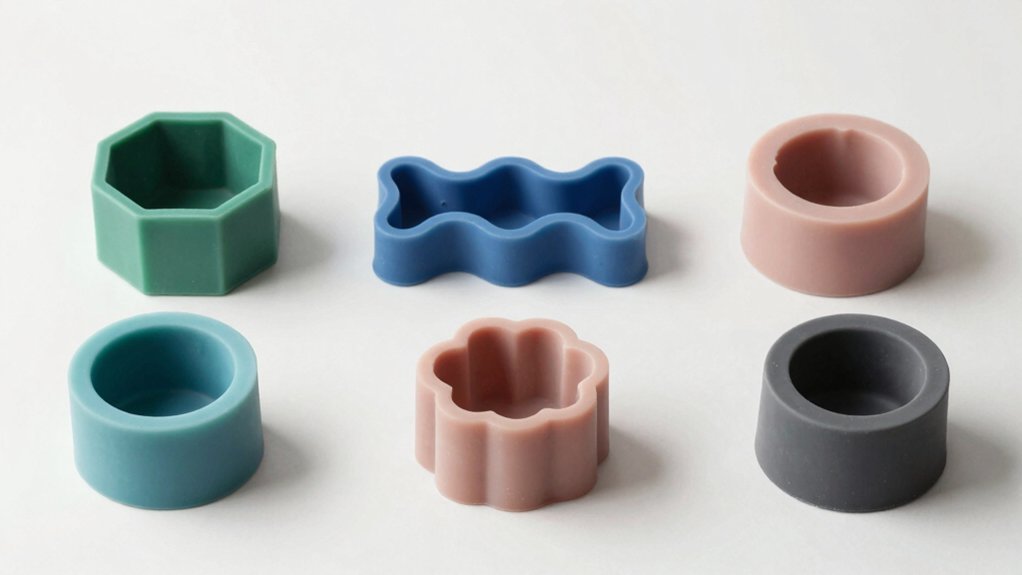
You’ll need a digital scale, heat-safe containers, stick blender, thermometer, silicone molds, spatulas, safety gloves, goggles, and a mixing spoon. You’ll also want lye, distilled water, and cleanup supplies for safe soap making.