Author: Soap Legacy

-
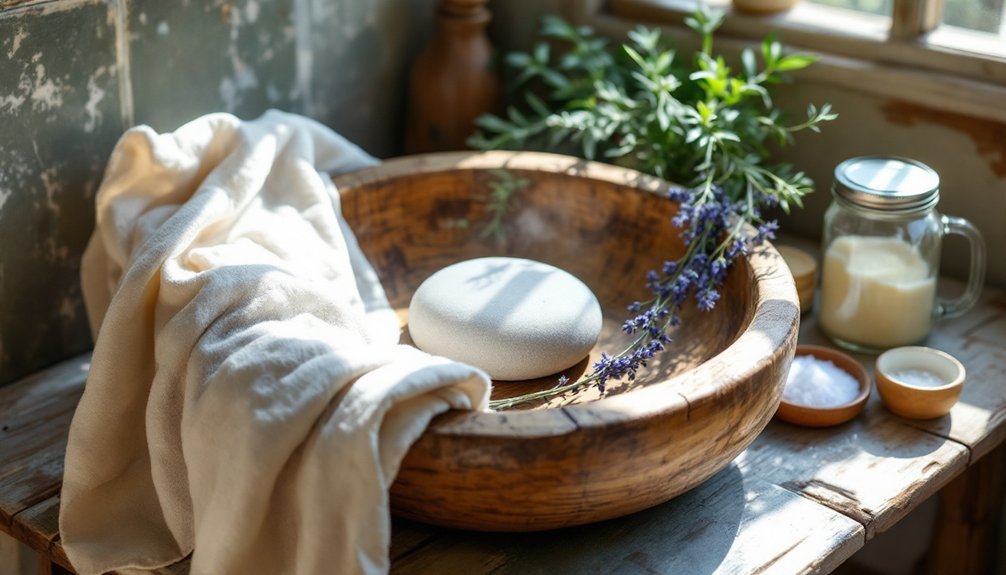
What Did Pioneer Women Use for Cleansing?
Nineteenth-century frontier women transformed ashes and animal fats into powerful cleansers that sustained pioneer families.
-
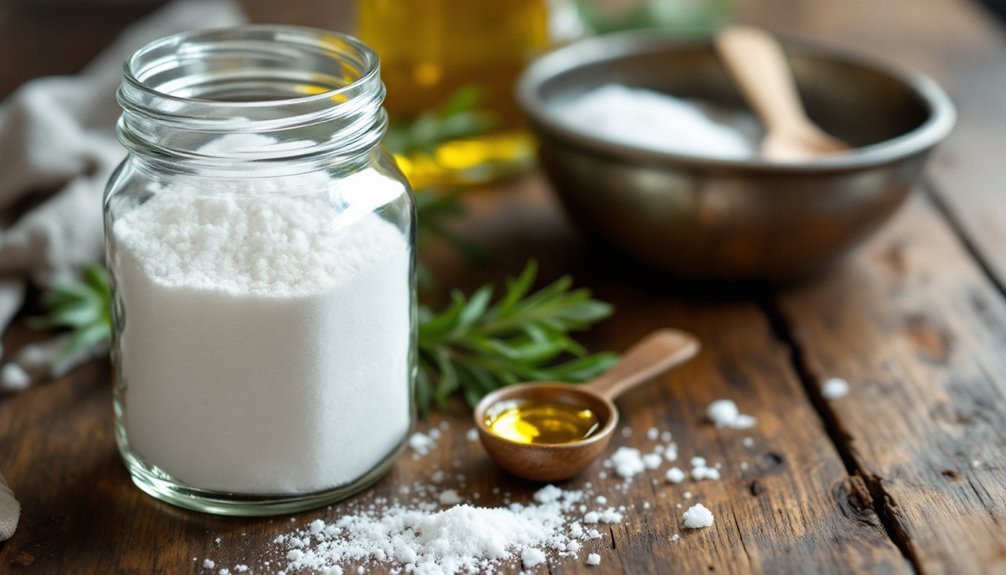
Handling Lye Correctly: Traditional Handmade Homestead Guide
Learning to manage lye safely transforms dangerous chemical handling into an essential homestead skill for creating beautiful handmade soaps.
-
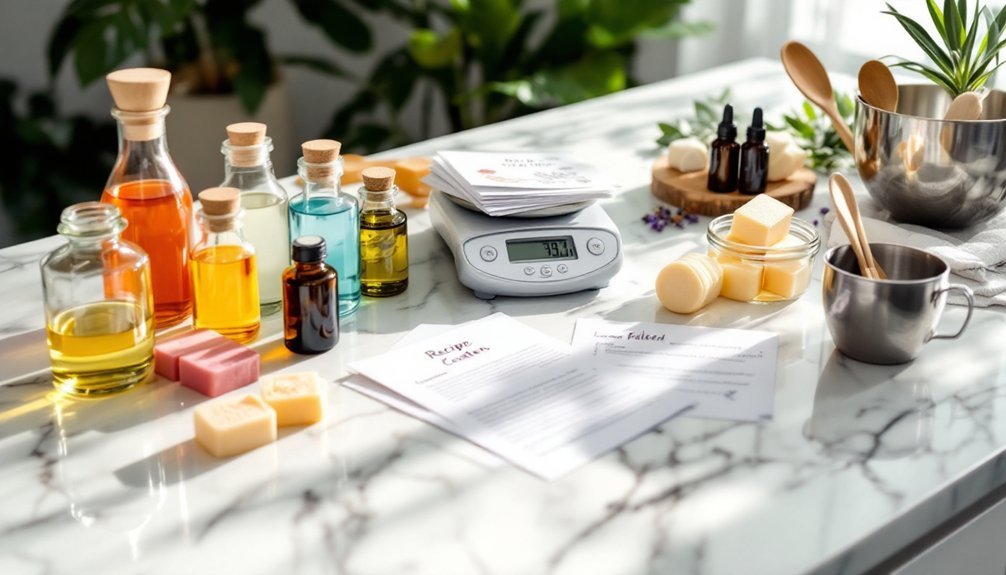
7 Best Cold Process Methods For Beginners
From traditional one-pot techniques to innovative layering methods, these seven cold process soap approaches transform beginners into confident artisans.
-
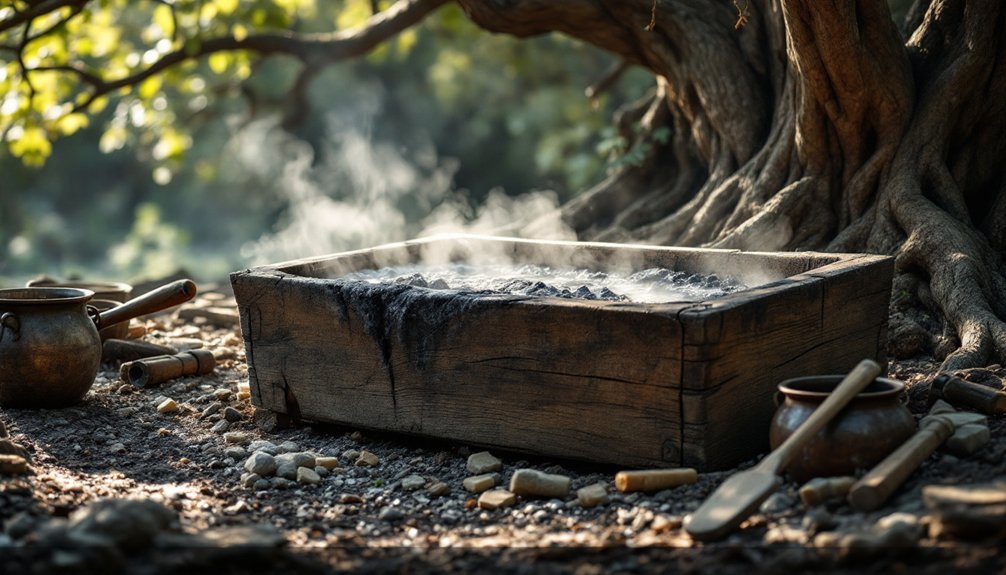
3 Ancient Lye-Making Methods From Colonial Times
Ancient colonial lye-making techniques reveal ingenious methods using barrels, stones, and hoppers that transformed wood ash into essential soap-making material.
-
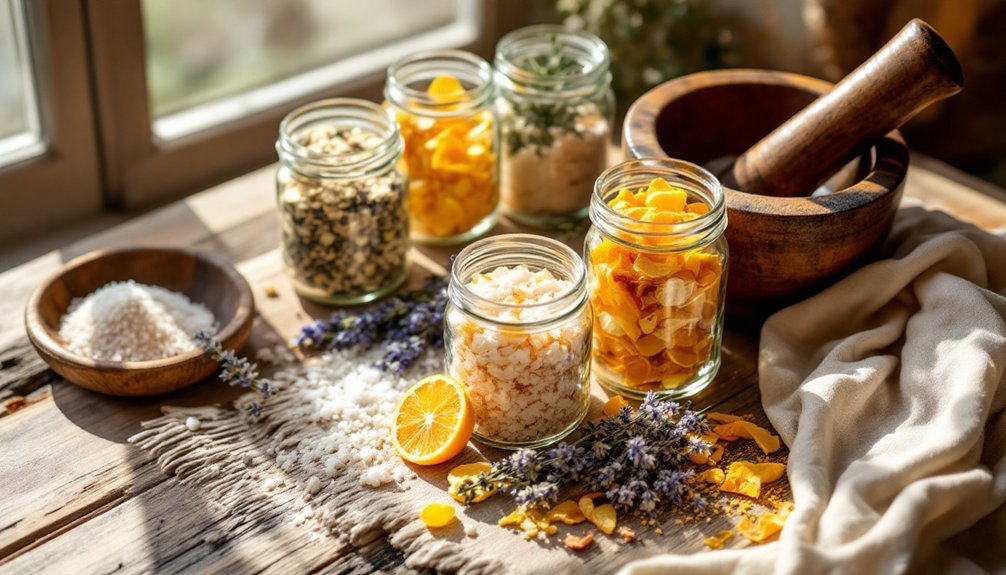
3 Cherished Old-World Family Cleanser Making Methods
Soak in generations of beauty wisdom with these 3 forgotten family cleanser recipes that transformed women’s skincare for centuries.
-

3 Reliable Curing Rack Materials for Handmade Bars
Powerful soap curing racks made from wire mesh, bamboo, or coated metal can transform your handmade bars, but which material actually delivers best results?
-
Why Calculate Your Batch Pan Size First?
Keeping your soap-making disasters at bay begins with proper pan sizing—but what happens when you ignore this crucial first step?
-
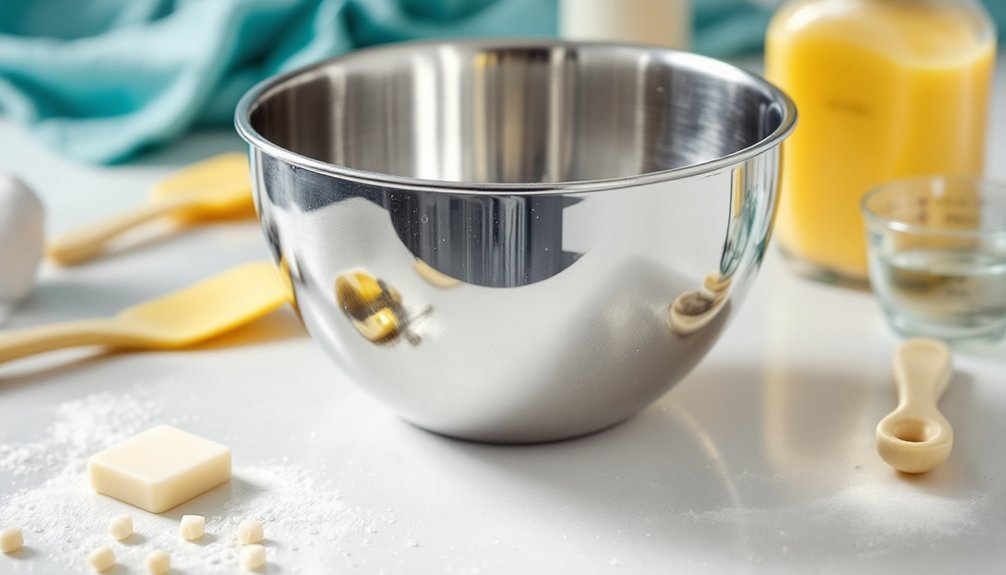
Prevent Rust in Your Lye-Safe Mixing Equipment
Lye-safe equipment can last years without rust damage, but most soapmakers overlook these critical maintenance steps.
-
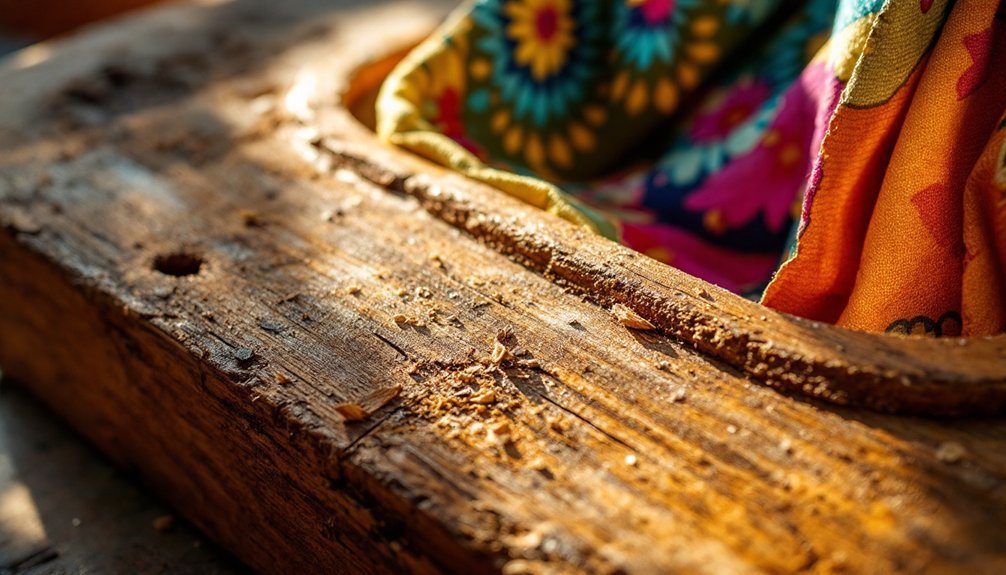
Why Do Artisans Line Their Wooden Molds?
Meticulous artisans line wooden soap molds to prevent sticking, but there’s another crucial reason most beginners overlook.
-
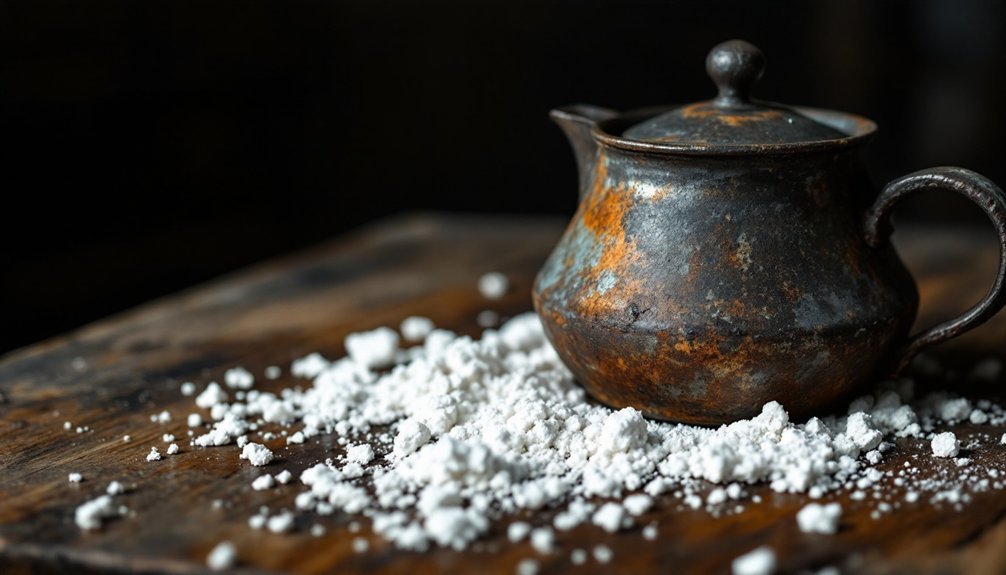
What Materials Did Ancient Kettles Hold Lye?
Caustic lye solutions required specialized vessels throughout history, but what surprising material choice saved civilizations when iron wasn’t available?