
When you make soap at home, you need preservatives that help it stay stable without adding unnecessary irritants. You’ll find that rosemary extracts, vitamin E oils, and grapefruit seed extract each bring different strengths, but not every option works the same in every formula. The best choice depends on your ingredients, process, and goals, and that’s where the real differences start to show.




Product availability last checked: October 2026
Which One Fits Your Soap?
- Slowing rancidity and orange spots in bar soap: rosemary antioxidant extract (ROE): Best Nature’s or Dr Adorable CO2 extract.
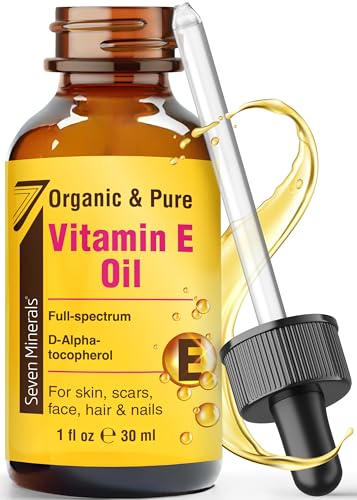
- You prefer vitamin E: Seven Minerals pure vitamin E (d-alpha tocopherol).
- Lotions, scrubs or anything with water: antioxidants do not stop mold or bacteria. Water-based products need a broad-spectrum cosmetic preservative instead.
- Grapefruit seed extract: NutriBiotic GSE is popular, but studies have questioned whether it works as a preservative on its own.
How Much to Add to Your Batch?
Antioxidants are measured as a percentage of the oils in your recipe. Enter your total oil weight.
Oil weight in grams: –
| Product | Common starting rate | Amount for your batch | |
|---|---|---|---|
| Best Nature’s ROE | 0.1% of oils | – | View on Amazon |
| Dr Adorable ROE | 0.1% of oils | – | View on Amazon |
| Seven Minerals vitamin E | 0.5% of oils | – | View on Amazon |
These are common starting points; follow the maker’s directions where they differ. Add antioxidants to the oils before the lye solution. Products sold as blends or supplements are left out because their strength varies.
More Details on Our Top Picks
Best Nature’s Rosemary Antioxidant Extract for Cosmetics
If you’re preserving oils, Best Nature’s Rosemary Antioxidant Extract fits the job well. You can add this natural, GMO-free antioxidant to cosmetics and carrier oils to help extend shelf life. It’s 100% soluble in most vegetable oils and animal lipids, even at low temperatures, and it stays uniform without settling. You’ll also get strong heat stability above 200°C. Use it at 0.02% to 0.10%, adding it directly to liquids or, after dilution, to powders. Its light rosemary scent won’t overpower your final formula.
- Product Type:Rosemary antioxidant extract
- Form:Liquid extract
- Size:1 fl oz
- Use:Cosmetic preservation
- Source:Rosemary
- Brand:Best Natures Cosmetics
- Additional Feature:100% oil soluble
- Additional Feature:Stable above 200°C
- Additional Feature:Very light rosemary odor
Not ideal if you need something for water-based products. It is oil-soluble, made for oils and butters.
Dr Adorable – 1 Oz With Dropper – Rosemary Antioxidant Co2 Extract Organic
Dr Adorable’s rosemary antioxidant CO2 extract gives you a concentrated, organic boost for soap preservation. You get 1 fluid ounce in a dropper bottle, so you can measure it easily and add it with control. This pure rosemary antioxidant oil extract comes from carbon dioxide extraction, and it keeps rosemary’s natural scent. You can mix it into soaps, creams, lotions, and massage oils to help protect plant oils from oxidation. Use about 0.02% to 0.5% in your formulas. That small amount helps your oils stay fresher longer.
- Product Type:Rosemary CO2 extract
- Form:Liquid extract
- Size:1 fl oz
- Use:Cosmetic formulation
- Source:Rosemary leaves
- Brand:Dr Adorable
- Additional Feature:CO2 extracted
- Additional Feature:Organic rosemary oil
- Additional Feature:Rapid oxidation prevention
Not ideal if you dislike herbal scents. The listing notes the characteristic rosemary odor.
MakingCosmetics Rosemary Leaf Extract – 2.0floz / 60ml
MakingCosmetics Rosemary Leaf Extract suits you if you want a professional-grade cosmetic ingredient for soap making. You get 2.0 fl oz of a beauty-grade extract from MakingCosmetics Inc., a cosmetics ingredient manufacturer that works under GMP guidelines. If you serve as a formulator, contract manufacturer, or R&D professional, you can rely on this product for cosmetic applications. It’s designed for industry use, and MakingCosmetics also offers a broad ingredient range plus free professional formulations. While the label doesn’t list exact usage directions, you can add it to your soapmaking workflow as a practical, quality-focused ingredient.
- Product Type:Rosemary leaf extract
- Form:Liquid extract
- Size:2 fl oz
- Use:Cosmetic ingredient
- Source:Rosemary leaves
- Brand:MakingCosmetics
- Additional Feature:GMP-guided manufacturing
- Additional Feature:Professional formulation support
- Additional Feature:Free formulations available
Not ideal if you specifically want rosemary oleoresin (ROE). It is sold as rosemary leaf extract, so check the label for type and usage rate.
Seven Minerals Vitamin E Oil for Skin Hair
Seven Minerals Vitamin E Oil suits you when you want pure, skin-focused nourishment. You get one ingredient: 100% organic, full-spectrum D-Alpha Tocopherol, with no carrier oils or synthetic additives. That purity helps you target fine lines, wrinkles, dark spots, and dryness while supporting a radiant, hydrated look. Its antioxidants fight free radicals and environmental stress, and its moisturizing power softens rough texture. You can also use it to support scar care, boost cell renewal, and strengthen hair from root to tip for simple, versatile daily care.
- Product Type:Vitamin E oil
- Form:Oil
- Size:8 fl oz
- Use:Skin and hair care
- Source:Full-spectrum tocopherol
- Brand:Seven Minerals
- Additional Feature:Full-spectrum D-alpha tocopherol
- Additional Feature:Single-ingredient formula
- Additional Feature:Helps reduce scars
Not ideal if you make large batches often. It is a 1 oz bottle.
Horbäach Vitamin E Oil | 5000 IU | 8 oz (2 x 4oz) Value Pack
offers solid value if you want a skin-friendly soap additive in a larger supply. You get 8 ounces total, split into two 4-ounce bottles, so you can keep one handy while storing the other. Its pure blend of high-quality skin oils helps soften and rejuvenate your soap’s feel. You’ll also appreciate that it’s vegetarian, cruelty-free, and free from parabens, SLS, petroleum, and artificial fragrances. Horbäach tests it for quality and backs it with a satisfaction guarantee, making it a reliable choice for homemade soap makers in 2027.
- Product Type:Vitamin E oil
- Form:Oil
- Size:8 oz
- Use:Skin care
- Source:Skin oils
- Brand:Horbäach
- Additional Feature:5000 IU potency
- Additional Feature:Value pack bundle
- Additional Feature:Cruelty-free formula
Not ideal if you want pure vitamin E. It is a skin-oil blend, so it is less concentrated than pure d-alpha tocopherol.
NutriBiotic GSE Grapefruit Seed Extract Liquid Concentrate
If you want a vegan, allergen-free preservative option, NutriBiotic GSE is a smart multi-purpose pick. You get the original grapefruit seed extract concentrate, made in the USA and trusted for over 30 years. Its blend of pulp, seeds, and inner rind delivers bioflavonoids and polyphenols, which can help support your formula’s freshness and overall quality. You won’t find GMOs, gluten, artificial preservatives, or the eight major allergens here. Because it’s compact and premium-grade, you can use it confidently in homemade soap projects when you want a cleaner, simpler ingredient choice.
- Product Type:Grapefruit seed extract
- Form:Liquid concentrate
- Size:2 fl oz
- Use:Supplement use
- Source:Grapefruit
- Brand:NutriBiotic
- Additional Feature:Bioflavonoid-rich formula
- Additional Feature:Vegan and gluten-free
- Additional Feature:Free of major allergens
Not ideal if you are counting on it to stop mold or bacteria. It is sold as a dietary supplement, and its value as a cosmetic preservative is debated.
What Else You Will Need

Antioxidants go in by the gram or less; a kitchen scale is not precise enough.

Keep extracts away from light and dispense them drop by drop.
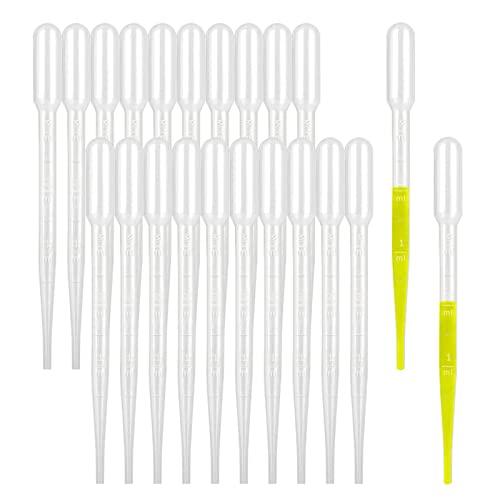
Clean, disposable droppers for measuring small amounts.
Factors to Consider When Choosing Natural Preservatives for Homemade Soap Making
When you choose a natural preservative for homemade soap, you need to check how well it works with your ingredients and whether it supports the soap’s texture and performance. You also want enough preservation strength and shelf stability without using more than the recommended concentration. Don’t forget scent impact, since some preservatives can change the final fragrance of your soap.
Ingredient Compatibility
Ingredient compatibility plays a big role in how well a natural preservative works in homemade soap. You’ll want it to dissolve fully in your base oils or fats so it spreads evenly through the batch. Check that it stays stable in your soap’s pH range, because some plant extracts and antioxidants only perform well at certain levels. You should also make sure it won’t alter the texture, color, or scent in ways you don’t want. Watch how it interacts with other ingredients, since some combinations can react and reduce stability. Finally, follow the recommended usage rate closely. That helps you use enough preservative for safe inclusion without throwing off the formula or creating avoidable problems during curing, storage, or everyday use.
Preservation Strength
Preservation strength is one of the most important things to check because it tells you how well a natural preservative can slow microbial growth and oxidation in your soap. You want a preservative that helps block bacteria, yeast, and mold, since stronger protection supports a longer-lasting, more stable product. Pay attention to the needed concentration, because many botanical antioxidants work best around 0.02% to 0.5%, depending on the formula. You should also look at how well it dissolves in oil or water phases, since poor solubility can leave weak spots in your batch. Thermal stability matters too, so choose an option that keeps working across different temperatures and pH levels.
Shelf Stability
Shelf stability matters just as much as preservation strength because it shows how long a natural preservative can keep doing its job in homemade soap. You need ingredients that resist oxidation and slow microbial growth over time, so your soap stays dependable on the shelf. Choose preservatives that stay chemically stable across temperature changes, since heat or cool storage shouldn’t weaken protection. You’ll also want options that dissolve well in your soap’s oils, because poor solubility can reduce performance. Look for formulas that stay smooth and uniform, not gritty or separated, so they keep working consistently. When you follow the recommended concentration range, you support stable antioxidant and antimicrobial action without risking product safety or uneven results.
Usage Concentration
When you choose a natural preservative for homemade soap, the usage concentration matters as much as the ingredient itself. You’ll usually work within 0.02% to 0.5%, depending on the preservative’s strength and your formula. Measure carefully, because even small errors can reduce effectiveness or change your soap’s texture. Staying near the lower end can help you avoid irritation and preserve the natural character of your ingredients while still adding antioxidant support. If you go over the recommended range, you may create incompatibility with other soap components and weaken the formula. Follow the supplier’s specified concentration closely, and you’ll maximize shelf life while helping prevent oxidation and microbial growth in your finished soap.
Scent Impact
A natural preservative’s scent can quietly shape your soap’s final fragrance, so it’s worth checking the aroma before you add it. You may notice that some preservatives carry a mild, earthy, or herbal note that lingers in the finished bar. If you want a scent-sensitive formula, choose antioxidants with very light aromas, since they’ll stay mostly in the background. Essential oil-derived options can add botanical character, but they can also clash with delicate blends if you use too much. Remember that higher concentrations usually make the scent stronger. Before you commit, compare the preservative’s aroma with your planned fragrance so you can keep the blend balanced, support your scent profile, and avoid masking the soap’s intended character.
Product Purity
Product purity matters because you want a natural preservative that’s free from synthetic additives, fillers, and contaminants that could weaken your soap or raise safety concerns. When you choose a highly pure extract, you get more concentrated active compounds, so your preservative works harder against oxidation and microbial growth. That stronger action helps your soap stay stable, keep its scent, and hold its appearance longer. Purity also matters for the preservative itself, since impurities can speed degradation and reduce shelf life. You’ll lower the chance of allergic reactions or skin irritation when you avoid adulterated ingredients. In short, pure natural preservatives give you more consistent performance, which helps you protect soap quality from batch to batch without unwanted surprises.
Frequently Asked Questions
How Do Natural Preservatives Affect Soap Fragrance Over Time?
Natural preservatives help you slow fragrance fading, but they won’t lock in scent forever. You’ll still notice top notes soften, especially with heat, light, and air exposure, so store soap tightly and cool for best longevity.
Can Natural Preservatives Replace Synthetic Preservatives Entirely in Soap?
No, you can’t fully replace synthetic preservatives in every soap. You can choose natural options for some formulas, but you’ll still need proper testing, sanitation, and sometimes synthetics to guarantee stable, safe preservation.
Which Natural Preservative Works Best in Cold Process Soap?
Rosemary oleoresin extract usually works best in cold process soap because you add it to oils, and it helps slow rancidity. You’ll still need good sanitation, though, since no preservative stops lye-caused mold completely.
Do Natural Preservatives Change Soap Color During Storage?
Yes, they can. You’ll notice some natural preservatives slightly darken, yellow, or speckle soap over time, especially if they oxidize. You can reduce color changes by choosing stable ingredients and storing bars cool, dark, and dry.
How Often Should Homemade Soap Batches Be Tested for Spoilage?
You should test homemade soap batches monthly at first, then every few months during storage. Check for odor, discoloration, sweat, or spots. If you notice changes, retest immediately and discard any spoiled batch.