
If you’re starting cold process soap making in 2026, the right kit can save you from costly mistakes and wasted ingredients. You’ll want safe handling tools, accurate lye measurements, and molds that make unmolding simple. The best beginner kits also give you clear guidance and enough flexibility to experiment without confusion. A few stand out for their extras, but one or two may surprise you in ways that matter most.
| Essential Depot Soap Making Kit with Silicone Mold |  | Best for Beginners | Product Type: Soap-making kit | Primary Use: Cold process soap | Included Mold: Silicone loaf mold | CHECK ON AMAZON | Read Our Analysis |
| Soap Mold Making Kit with Wooden Cutter |  | Best Complete Kit | Product Type: Soap mold kit | Primary Use: Soap crafting | Included Mold: Silicone liner mold | CHECK ON AMAZON | Read Our Analysis |
| VEVOR Soap Making Kit with Bamboo Box and Mold |  | Most Professional | Product Type: Soap-making kit | Primary Use: Soap crafting | Included Mold: Silicone loaf mold | CHECK ON AMAZON | Read Our Analysis |
| Sodium Hydroxide – Pure – Food Grade (Caustic Soda Lye) (2 Pound Jar) |  | Pure Lye Pick | Product Type: Lye | Primary Use: Soap making | Included Mold: None | CHECK ON AMAZON | Read Our Analysis |
| ComStar Pure Lye Flakes 1 lb for Soap Making 99% Sodium Hydroxide |  | Best for Drains | Product Type: Lye flakes | Primary Use: Soap making | Included Mold: None | CHECK ON AMAZON | Read Our Analysis |
| iDrain Soap Making Lye Kit with NaOH and KOH |  | Most Versatile | Product Type: Lye kit | Primary Use: Soap making | Included Mold: None | CHECK ON AMAZON | Read Our Analysis |
Product availability last checked: October 2026
Which Option Fits Your First Batch?
- Everything measured out for one loaf: Essential Depot starter kit – lye, oils, mold and instructions.
- You have a recipe and need a mold and cutter: Hepgodin (two 46 oz molds) or VEVOR.
- You need lye: Belle Chemical food-grade lye; iDrain if you also want potassium hydroxide for liquid soap.
- Safety first: lye burns skin and eyes. Wear goggles and chemical-resistant gloves every time; see the list below.
How Much Will Your Mold Hold?
Measure the inside of your mold. A common rule of thumb is about 0.4 oz of oils per cubic inch.
About – of oils, using roughly – of lye.
| Lye | Jar size | Batches per jar | |
|---|---|---|---|
| Belle Chemical | 2 lb | – | View on Amazon |
| ComStar | 1 lb | – | View on Amazon |
| iDrain (sodium hydroxide half) | 1 lb | – | View on Amazon |
Lye is estimated at about 14% of oil weight for a typical recipe. Always run your exact recipe through a lye calculator before mixing.
More Details on Our Top Picks
Essential Depot Soap Making Kit with Silicone Mold
Essential Depot’s kit makes cold process soap feel approachable for beginners. You get pre-measured oils, 5 ounces of lye, scent, additives, and a red silicone mold sized for a loaf up to 11.25 x 3.25 x 3.70 inches. The included gloves, goggles, mask, and apron help you work more confidently, while printed guides support both you and an instructor. You only add water, and you can finish preparation in under 30 minutes. It’s a smart pick for home school, camps, family projects, or gift-making, and it teaches real soap-making skills through hands-on practice.
- Product Type:Soap-making kit
- Primary Use:Cold process soap
- Included Mold:Silicone loaf mold
- Included Cutter:None
- Lye Form:Sodium hydroxide
- Packaging Extras:PPE included
- Additional Feature:Beginner teaching kit
- Additional Feature:Under 30 minutes
- Additional Feature:Includes PPE gear
Not ideal if you want to make more than one loaf. It is a single-loaf starter kit, and stock is limited.
Hepgodin Soap Mold Making Kit with Wooden Cutter
For beginners craving a best complete kit, this soap mold set covers every step with ease. You get two pine box molds with 46oz silicone liners, plus a bamboo cutter, stainless straight slicer, wavy slicer, and 50 soap paper bags. You can use it for melt and pour, cold process, or hot process batches. The silicone liners stay flexible, nonstick, and safe from -20 to 446°F. The bamboo cutter helps you slice even one-inch bars, while the sturdy scrapers refine every loaf. It’s a smart gift-ready set for your soap crafting.
- Product Type:Soap mold kit
- Primary Use:Soap crafting
- Included Mold:Silicone liner mold
- Included Cutter:Bamboo cutter
- Lye Form:None
- Packaging Extras:Paper bags included
- Additional Feature:Dishwasher safe liner
- Additional Feature:Temperature resistant to 446°F
- Additional Feature:Includes paper bags
Not ideal if you need lye and oils. It is the molds, cutter and packaging only.
VEVOR Soap Making Kit with Bamboo Box and Mold
VEVOR’s kit feels most professional for beginners who want clean, consistent bars. You get two 304 stainless steel slicers, so you can choose straight or wavy cuts and slice 1-inch bars with confidence. The 48 oz silicone mold has smooth walls, which help you release soaps easily after they set. Its bamboo cutting box adds a tidy, antibacterial work surface that resists mold growth. You also receive 100 plastic bags and 105 labeling stickers, so you can package, organize, and present each batch neatly.
- Product Type:Soap-making kit
- Primary Use:Soap crafting
- Included Mold:Silicone loaf mold
- Included Cutter:Bamboo cutting box
- Lye Form:None
- Packaging Extras:Bags and stickers
- Additional Feature:Antibacterial bamboo box
- Additional Feature:Includes labeling stickers
- Additional Feature:304 stainless cutters
Not ideal if you need lye and oils. It covers molding, cutting and bagging only.
Belle Chemical Sodium Hydroxide – Pure – Food Grade (Caustic Soda Lye) (2 Pound Jar)
Belle Chemical’s 2-pound jar is a pure lye pick for beginners who want reliable soap-making results. You get food-grade USP/FCC sodium hydroxide in a reclosable HDPE jar, so storage stays tidy and practical. This premium, white lye works well for cold process soap making, and you can also use it as a cleaner or for certain food preparations. Because it’s top quality and packaged as a 1-pack, you’ll have a dependable supply for small-batch projects. If you want consistent results, this Belle Chemical lye keeps your workflow straightforward and efficient.
- Product Type:Lye
- Primary Use:Soap making
- Included Mold:None
- Included Cutter:None
- Lye Form:Sodium hydroxide
- Packaging Extras:Reclosable jar
- Additional Feature:Food-grade USP/FCC
- Additional Feature:Reclosable HDPE jar
- Additional Feature:Multi-purpose cleaner
Not ideal if you want a complete kit. It is lye only, so you still need oils, a mold and safety gear.
ComStar Pure Lye Flakes 1 lb for Soap Making 99% Sodium Hydroxide
ComStar Pure Lye Flakes suit beginners who want fast, reliable soap-making results and drain-clearing power. You get 99% pure sodium hydroxide in small, white flakes that dissolve quickly and don’t clump or build static. That makes measuring easier and soap batches more consistent. Because the flakes sink through standing water, they also break down blockages fast when you need drain cleaning support. You can use them safely as directed on metal or plastic pipes, fixtures, and septic systems. ComStar’s odorless, non-acid formula fits home use and gives you a practical, versatile lye option.
- Product Type:Lye flakes
- Primary Use:Soap making
- Included Mold:None
- Included Cutter:None
- Lye Form:Sodium hydroxide flakes
- Packaging Extras:None
- Additional Feature:99% pure flakes
- Additional Feature:Odorless, no fumes
- Additional Feature:Septic-safe formula
Not ideal if you want lye sold for soap making. It is 99% sodium hydroxide, but the listing mainly describes drain cleaning.
iDrain Soap Making Lye Kit with NaOH and KOH
iDrain’s lye kit is the most versatile pick for beginners who want soap-making flexibility. You get 1 lb of sodium hydroxide flakes and 1 lb of potassium hydroxide flakes, so you can make hard bar soap, liquid soap, or cream soap. You can also use it for cold process, hot process, drain maintenance, pH adjustment, and heavy-duty degreasing. The flakes dissolve quickly and evenly, and the resealable HDPE containers help block moisture and caking. Handle both lyes with goggles and gloves, and always add lye to water.
- Product Type:Lye kit
- Primary Use:Soap making
- Included Mold:None
- Included Cutter:None
- Lye Form:NaOH flakes
- Packaging Extras:HDPE containers
- Additional Feature:Dual-lye formula
- Additional Feature:Screw-top HDPE containers
- Additional Feature:Full GHS safety data
Not ideal if you only make bar soap. Half of the kit is potassium hydroxide, which is for liquid and cream soap.
What Else You Will Need

Long cuffs protect your wrists from lye splashes.
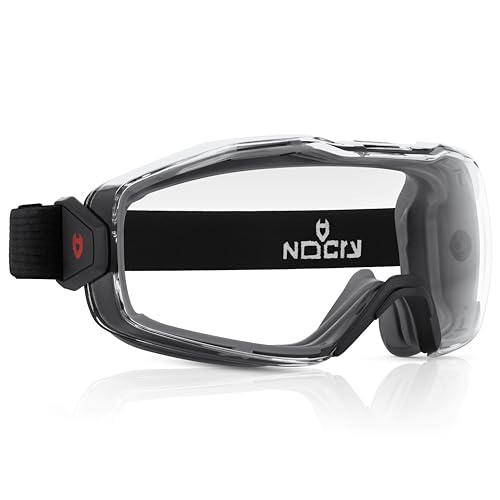
Lye in the eyes is a medical emergency; goggles are not optional.

Brings soap to trace in minutes instead of an hour of stirring.
Factors to Consider When Choosing Cold Process Soap Making Kits for Beginners
When you choose a cold process soap making kit, check whether it includes safety gear and pre-measured ingredients, since both can make your first batch easier and safer. You should also look at the mold and cutter quality, because sturdy tools help you get cleaner results. Clear instructions and the right soap batch size matter too, so you can follow along confidently without wasting materials.
Safety Gear Included
Safety gear included in a cold process soap making kit is essential, especially if you’re new to working with sodium hydroxide. You should look for gloves, goggles, aprons, and masks that shield you from caustic lye splashes and fumes. Good PPE helps you avoid chemical burns and breathing hazards while you mix, pour, and cure your soap. When a kit includes all the safety gear you need, you can start practicing right away without hunting for extra supplies. Make sure the pieces are chemical resistant, fit snugly, and cover exposed skin well. If the gear feels loose or flimsy, it won’t protect you as well. Choosing a kit with reliable protection helps you work confidently and safely from the start.
Pre-Measured Ingredients
Pre-measured ingredients take the guesswork out of cold process soap making, especially for beginners. You won’t need to weigh tricky components like sodium hydroxide or oils, so you can start with more confidence. These kits help you avoid mistakes in chemical proportions, which supports safer handling and more consistent soap quality. Because the lye-to-oil ratio stays correct, you give your soap the best chance to saponify properly and become skin-safe. You’ll also save time since most kits include the raw materials you need and only ask you to add water. That means you can spend less energy on measuring and more on learning technique, understanding the process, and experimenting with colors, scents, and other creative details.
Mold And Cutter Quality
Good mold and cutter quality can make your soap-making process much smoother from the start. You’ll want a mold made from non-stick, pliable silicone so you can release each loaf easily and reuse it without wear. Check that the size fits standard loaf batches, usually about 10 to 11 inches long, so you can create bars that are easy to handle. A heat-resistant mold helps you work safely across a wide range of temperatures, from freezing conditions to high heat. For cutting, choose stainless steel tools that resist corrosion and slice cleanly every time. Straight and wavy options give you more flexibility. A sturdy bamboo or wood base adds stability and keeps your setup hygienic while you cut.
Instruction Clarity
Clear, step-by-step instructions can make all the difference when you’re choosing a cold process soap making kit, especially as a beginner. You should look for printed directions that walk you through every stage, from measuring ingredients to unmolding the finished bar. Precise measurements help you avoid guesswork, while notes on optional tools can make setup easier. Safety guidance matters just as much, so check that the kit explains how to handle lye, wear protective gear, and prevent accidents. If you’ll teach or learn in a group, user and instructor versions add value. Visual aids, diagrams, or photos can also help you understand techniques and picture the expected result, so you can soap with more confidence and fewer mistakes.
Soap Batch Size
Once you’ve got the instructions down, the next thing to check is batch size. You want a kit that lets you start small, because smaller batches are easier to measure, mix, and monitor. They also give you better control as the soap moves through each stage, which matters when you’re still learning. Check the mold and container dimensions too, since they set the maximum amount you can make at once. A smaller batch usually cures faster, so you can test your recipe sooner and make changes without wasting much material. If you keep your batch size consistent, you’ll also get more predictable texture and scent from one attempt to the next. That consistency helps you build skill with less guesswork and fewer surprises.
Extra Packaging Supplies
Extra packaging supplies can make your finished bars look more polished and stay better organized. You can use plastic bags, paper bags, and labeling stickers to give each bar a clean, finished look. These options also help you sort batches, label scents, and create gift-ready soap with ease. Choose durable wraps that fit your bars well so they protect the soap during storage and transport. Clear, attractive packaging can boost the value people see in your handmade soaps, which matters if you plan to sell them. If your kit includes several packaging formats, you can also practice design and marketing skills while you make soap. That variety lets you customize presentation without adding extra hassle.
Frequently Asked Questions
How Long Should Cold Process Soap Cure Before Use?
You should cure cold process soap for 4 to 6 weeks before using it. During that time, you’ll let excess water evaporate, and your bars’ll harden, last longer, and feel milder on your skin.
Can Beginners Safely Add Fragrance Oils to Soap?
Yes, you can safely add fragrance oils if you measure carefully, use skin-safe soap fragrances, and follow the supplier’s usage rates. You’ll also want to test a small batch first and wear gloves.
What Essential Safety Gear Is Needed for Soap Making?
You’ll need safety goggles, chemical-resistant gloves, long sleeves, closed-toe shoes, and a well-ventilated workspace. You should also keep a mask handy for lye dust, and wear an apron to protect your clothes.
How Do I Prevent Soap From Sticking to the Mold?
You can prevent soap from sticking by lining your mold with parchment, using silicone molds, or lightly coating non-silicone molds with oil. Let the soap fully harden, then flex or tap the mold gently.
Can I Use Kitchen Utensils for Soap Making?
You can use some kitchen utensils, but you shouldn’t use any that touch food afterward. Reserve stainless steel, silicone, and heat-safe tools for soap, and avoid aluminum, copper, or wooden items that absorb lye.